Serial numbers
Apply unique, permanent identifiers using data from a PLC, database or production order.
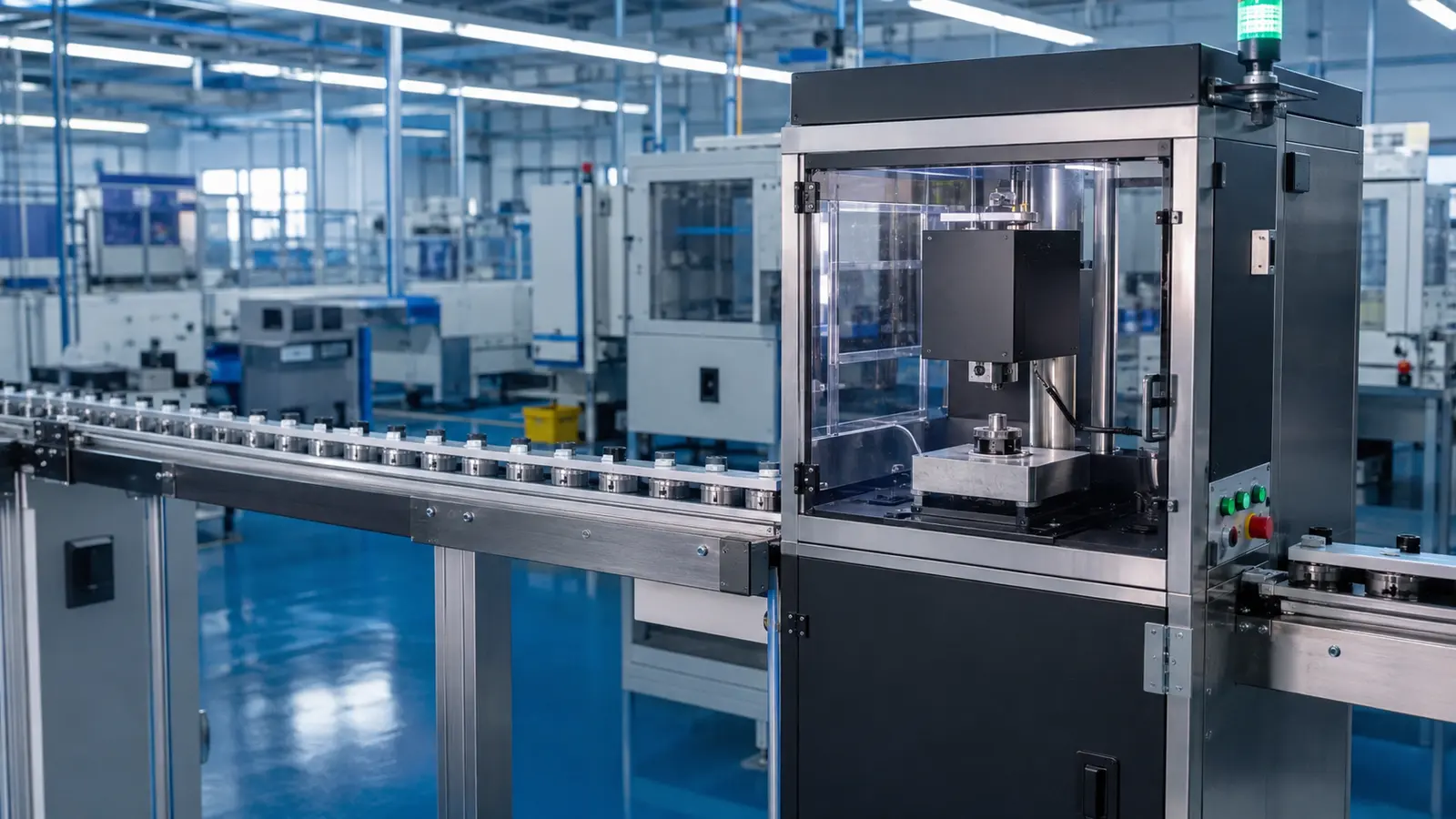
Permanent. Precise. Production-ready.
Specify fibre laser marking for serial numbers and Data Matrix codes on your metal parts, including stainless steel. Prove contrast, code readability and the marking cycle on representative components before choosing a workstation or integrated system.
Approve metal identification through its later process steps: A metal marking trial should represent the finished component and the conditions it will encounter after marking.
Industrial laser identification
Fibre laser marking delivers durable, high-resolution product identification without routine marking consumables. Oxford Traceability specifies the laser, optics, enclosure, software and handling around your part and your required cycle.
Arrange a sample marking trialApply unique, permanent identifiers using data from a PLC, database or production order.
Create compact machine-readable codes for traceability, maintenance and product records.
Mark brand graphics, part references, ratings and regulatory information without labels or ink.
Generate crisp alphanumeric text, batch details and date information at production speed.
Control marking content from files, scanners, vision systems and factory data sources.
Check code presence, content and readability, with handling of non-conforming parts.
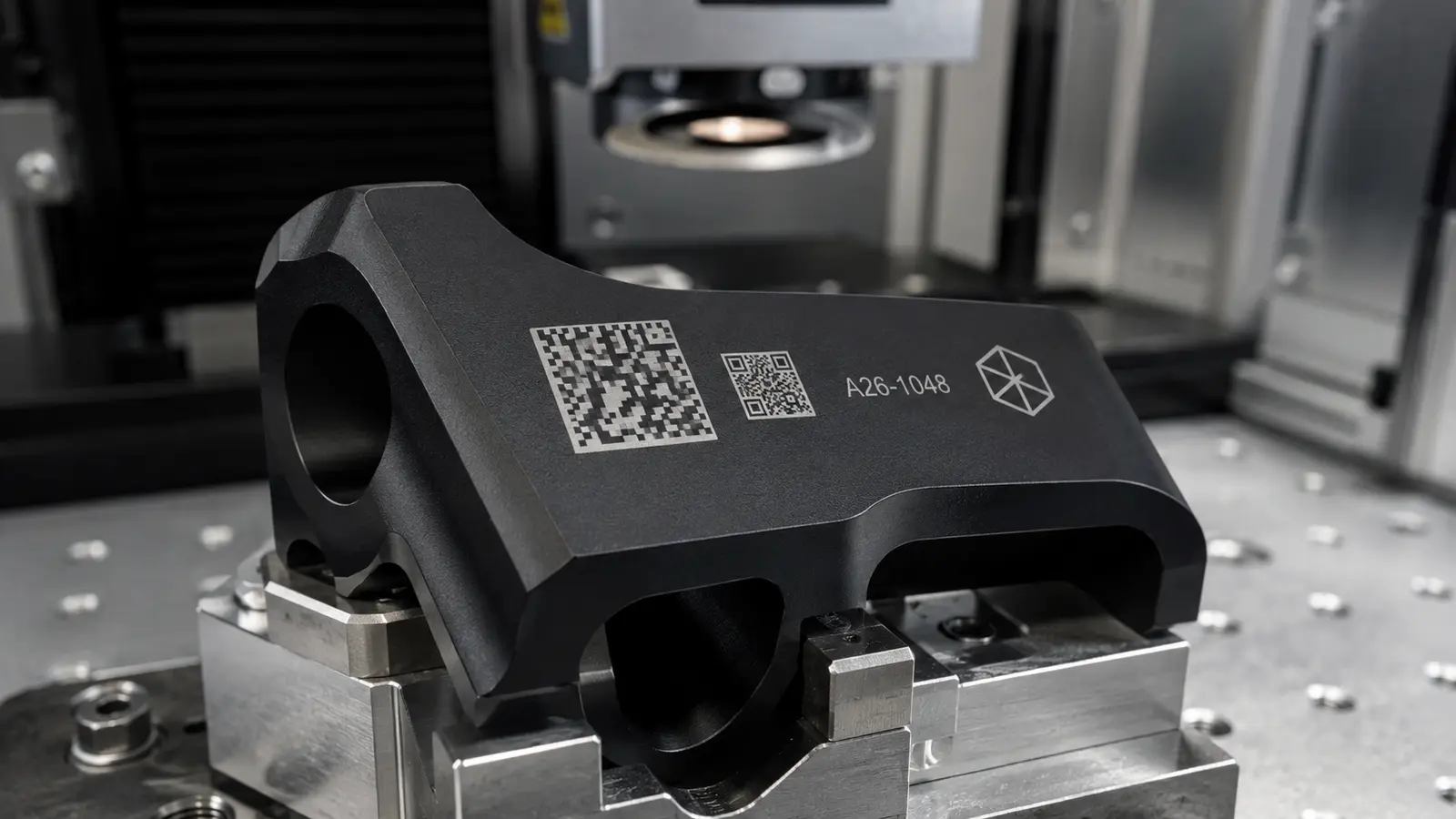
Materials & mark quality
A successful laser mark depends on more than laser power. Material grade, coating, colour, texture, focus, field size and line speed all influence the result. We test representative components before final specification.
Not sure how your material will respond? Send a sample and your artwork. We will assess contrast, cycle time and code quality before recommending a system.
Why fibre laser?
Built for demanding production environmentsResistant to handling and designed to remain with the part through its service life.
Small characters, complex logos and compact 2D codes with controlled positioning.
No ink, ribbon or label stock in the marking process, reducing routine changeovers.
Connect to sensors, PLCs, scanners, databases, vision and reject systems.
Production-line integration
Oxford Traceability engineers the presentation, control and verification around the mark. Whether the machine sits beside an operator or inside an automated cell, the objective is the same: the right data, on the right part, at the right time.
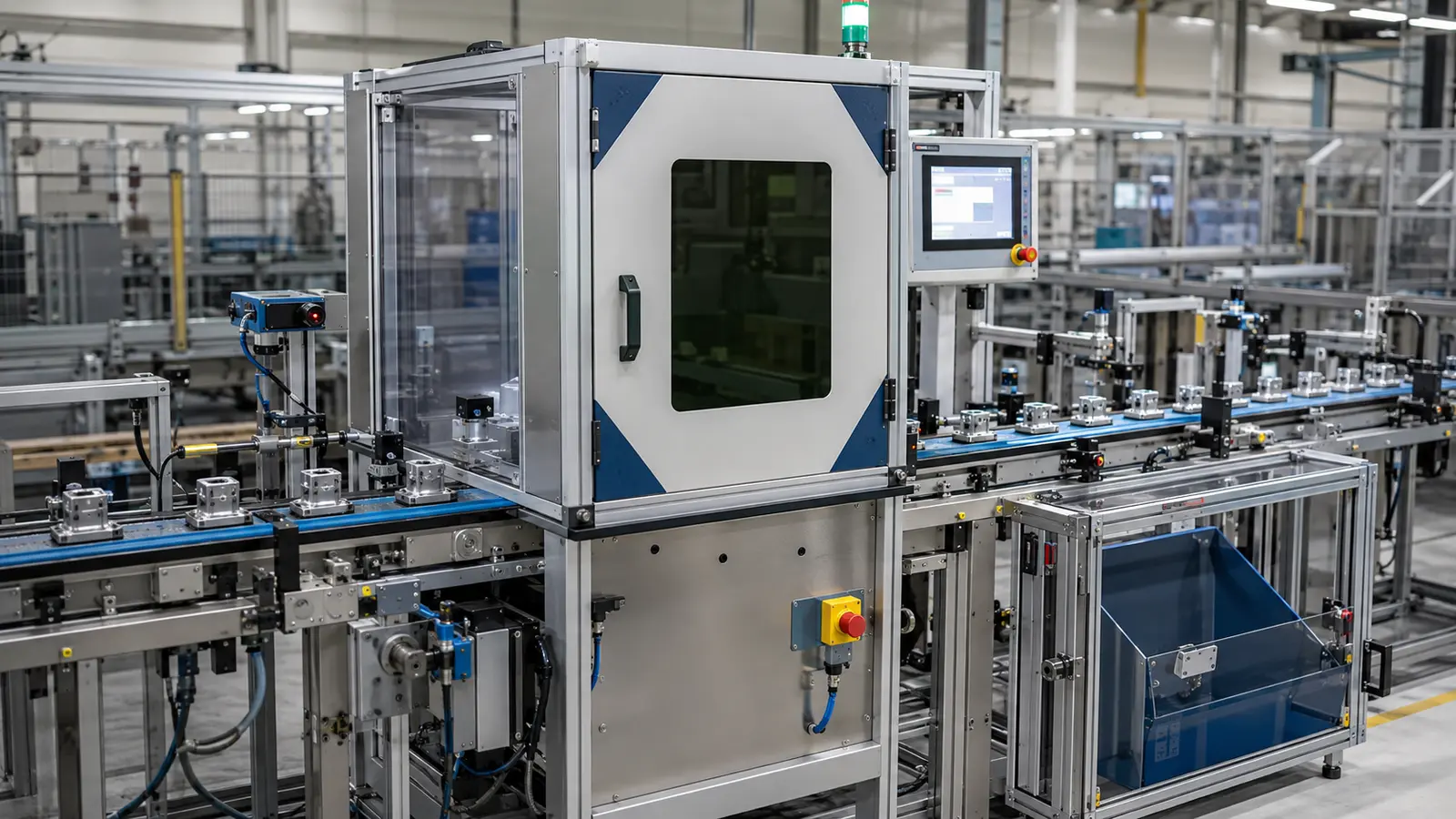
System configurations
We help you choose the right enclosure, focal arrangement, controls and handling method rather than forcing the application into a standard box.
Industry applications
From a single identification station to a connected factory process.
Components, housings, connectors and safety-critical identification.
Part references, serialisation and durable production records.
Compact codes, plastics marking and identification of assemblies.
High-resolution, non-contact marking for controlled manufacturing.
Logos, product data and permanent anti-mix-up identification.
Batch, date, operator and product information linked to production.
Application-first specification
Include the actual material, artwork, code content and required marking area.
Tell us the rate, loading method, data source and verification requirement.
We assess the mark and propose a practical, production-ready configuration.
Frequently asked questions
Speak directly with an application engineer about your material, mark and production process.
Call 01865 362785Fibre lasers are widely used on stainless steel, aluminium, anodised aluminium, brass, copper, titanium, coated metals and many engineered plastics. The exact mark depends on the material grade, finish, colour and required contrast, so representative samples should be tested.
Yes. A correctly specified system can create static or variable QR and DataMatrix codes, serial numbers and human-readable text. Code size, surface finish and verification requirements are confirmed during application trials.
Yes. Systems can be engineered around existing conveyors, machines and controls, including part detection, PLC handshakes, data exchange, guarding, extraction, vision inspection and reject handling.
No marking ink, ribbon or applied label is required. The laser changes or removes material at the surface to create a permanent mark, reducing routine consumable handling.
Send the material, part dimensions, marking area, required content, cycle rate and details of any existing line. Photographs, drawings and physical samples help us select the right configuration and prove the mark.
Start your marking trial
Share the material, mark content and production rate. We will help you define the right fibre laser marking system.
For a traceability project, send the data that the finished mark must contain and examples of the longest expected values. Keep human-readable text, serial numbers and machine-readable code requirements distinct. A short demonstration identifier may not represent the layout, space or marking time of the production record.
Show the permitted marking area, part curvature, surface finish and how the component will be located. Include normal variation in the material and coating. Trial the proposed code and text together on real parts, then assess appearance, required readability and the approved surface condition after marking.
Define what verification means for the application. Presence confirms that a mark exists; decoding checks that a reader can interpret a symbol; comparing decoded data checks it against the expected identity. If a formal code-quality grade is required, specify the applicable method and acceptance criteria separately.
The data sequence also needs a trial. Challenge duplicate requests, a part removed before marking, a marking interruption and a failed verification. Agree when an identifier is considered used, what happens to the affected part and which result is retained. This keeps the marking machine connected to a dependable production record.
QR and Data Matrix marking · Production-data and line integration
Your application
Tell us what you need to mark and we will come back to you.